Wu Cheng'en: The Ming Dynasty Scholar Who Created the Monkey King
Who was the man behind Journey to the West? The life, times, and creative genius of Wu Cheng'en — the struggling scholar who gave the world Sun Wukong.
The Reluctant Scholar
Wu Cheng'en (吴承恩, c. 1500-1582) was born in Lianshui, Jiangsu Province — less than 100km from Huaguo Mountain. His family was educated but poor, and Wu spent decades failing the imperial examinations that would have secured him a government position. It's one of literature's great ironies: the man who failed to become a bureaucrat instead wrote a novel that would be read by billions.
Wu eventually took minor government posts but was reportedly unhappy with bureaucratic life. He preferred writing — poetry, essays, and what he called 'strange stories.' His real passion was folklore, mythology, and the supernatural tales that circulated among common people.
Creating the Monkey King
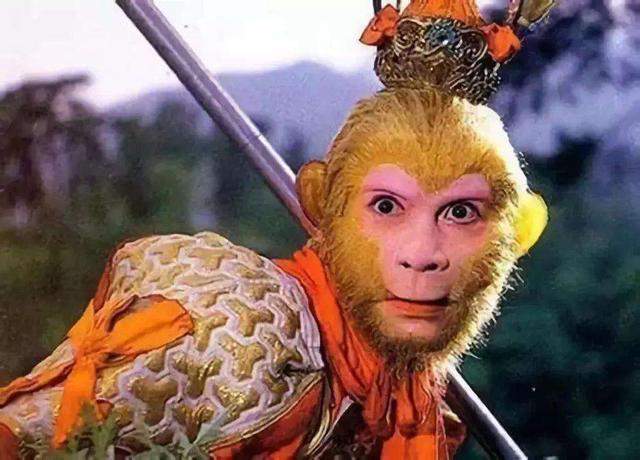
Wu didn't invent the Monkey King from scratch. Stories of a magical monkey companion to Xuanzang had been circulating for centuries. What Wu did was synthesize these folk tales into a single coherent character — giving Sun Wukong his backstory on Huaguo Mountain, his 72 transformations, his rebellion against heaven, and his ultimate redemption through the journey westward.
Wu's genius was in blending Taoist alchemy symbolism, Buddhist philosophy, satirical commentary on Ming Dynasty corruption, and action-adventure storytelling into a single work. The novel works on every level — as a children's adventure, as spiritual allegory, and as biting political satire.
Visiting Wu's World
You can visit Wu Cheng'en's former residence in Huai'an (淮安), about 1.5 hours from Lianyungang by car. The restored Ming Dynasty house includes exhibits about his life and the creation of Journey to the West. It's a worthwhile side trip for literature enthusiasts.