Photographing Huaguo Mountain: Best Spots, Camera Settings & Monkey Portraits
A photographer's guide to capturing Huaguo Mountain — from misty sunrise landscapes to expressive monkey portraits. Best times, locations, and technical tips.
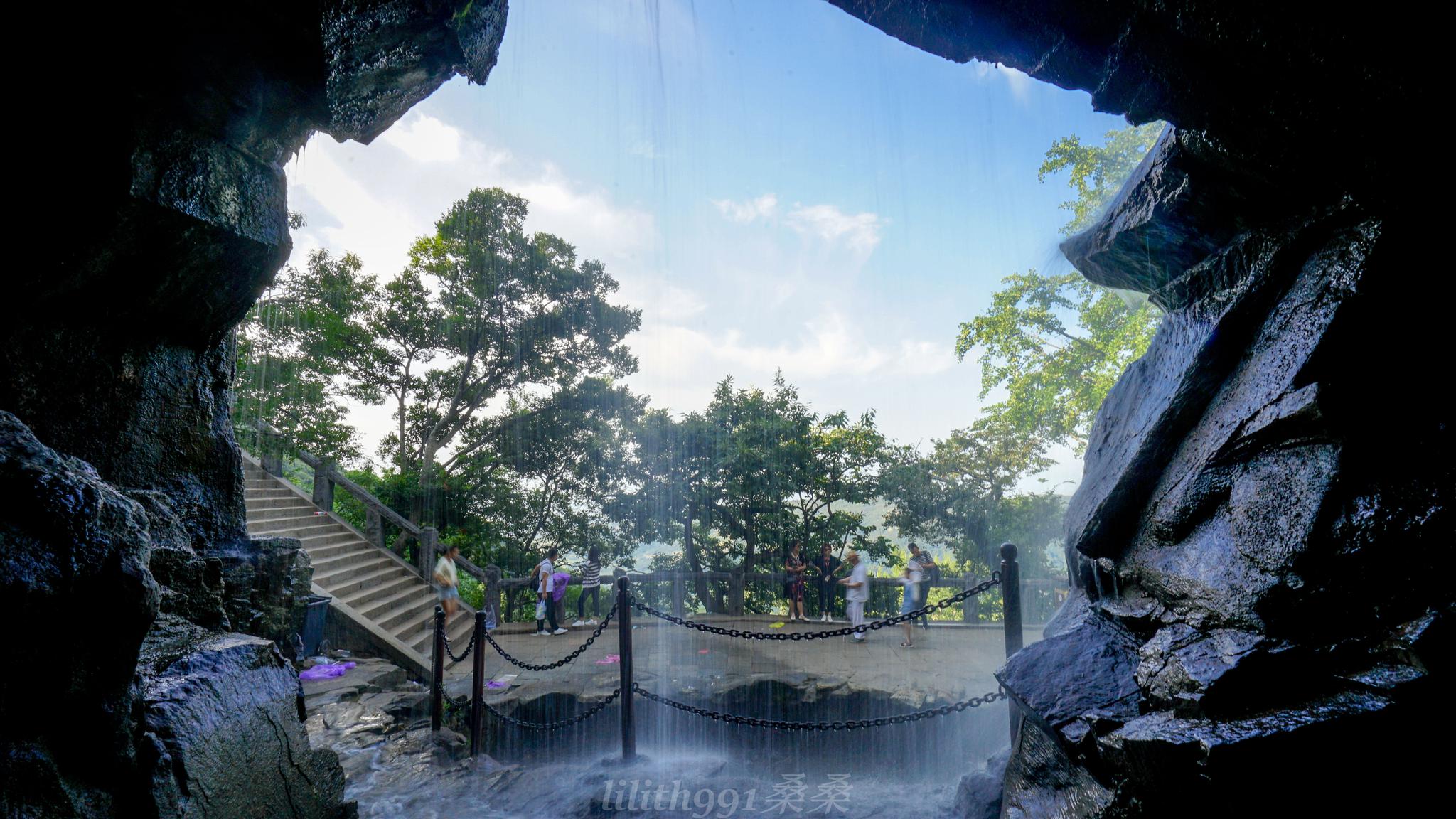
The Best Photo Locations
1. Jade Girl Peak at sunrise — The holy grail. On clear mornings, you can photograph the Yellow Sea with the mountain in the foreground. Use a wide-angle lens (16-35mm) for landscapes, or a telephoto (70-200mm) to compress the layers of receding peaks. 2. Water Curtain Cave entrance — Shoot from inside the cave looking out through the waterfall for a unique frame-within-a-frame composition. 3. Nine-Dragon Bridge in autumn — The ginkgo trees create a natural golden frame around the bridge.
4. Monkey troops near Sanyuan Temple (8-10 AM) — Best time for monkey portraits. Use a fast shutter speed (1/500s minimum) as monkeys move unpredictably. 5. Sanyuan Temple incense hall — Shoot through incense smoke with backlight for atmospheric temple shots. 6. The stone steps through the pine forest — Misty mornings create tunnel-like compositions with vanishing-point perspective.
Gear Recommendations
A versatile zoom (24-105mm or 24-70mm) covers 80% of shots. Add a 70-200mm for monkeys and compressed landscapes. A wide prime (24mm or 35mm) for temple interiors. A polarizing filter makes a huge difference on sunny days — it cuts glare from wet rock surfaces and deepens the blue sky. A tripod is heavy but worth it for sunrise and waterfall long-exposures.
For smartphone photographers: the latest iPhones and Pixels are remarkably capable. Use portrait mode for monkeys (stay back and use 2x-3x zoom), night mode for temple interiors, and the ultrawide for summit panoramas.
Ethics of Monkey Photography
Never bait monkeys with food for a photo. This creates aggressive behavior that leads to monkeys being removed or harmed. Don't use flash photography with monkeys — it distresses them. If a monkey shows signs of stress (teeth-baring, lunging, screaming), back away slowly without turning your back. The best monkey photos come from patient observation, not pursuit.